
What Does Wedding Production Include in Mexico?
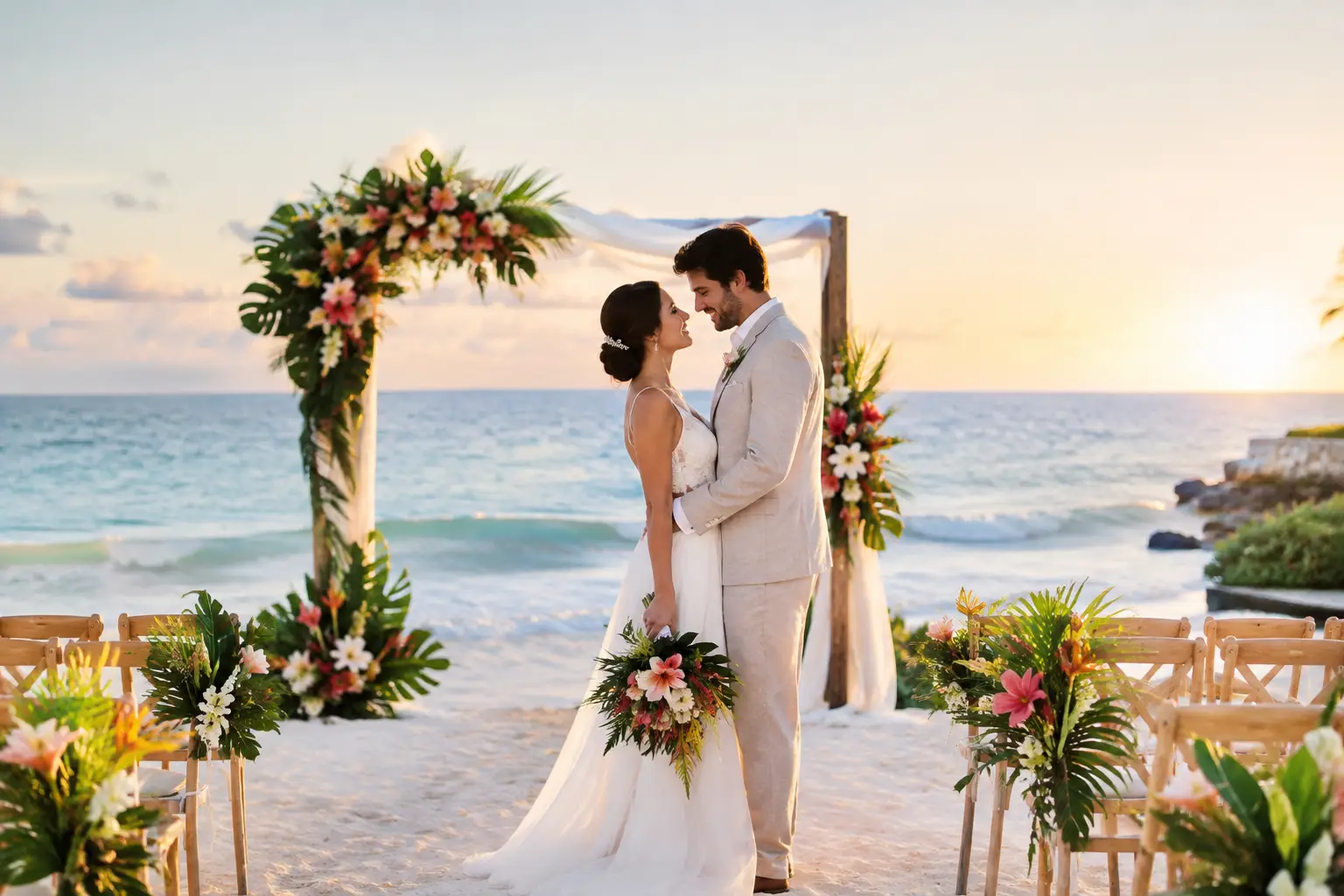
The ceremony may last 20 minutes, but the feeling of walking down a flower-lined aisle as the Caribbean water catches the afternoon light stays with you forever. If you are asking, “what does wedding production include?” you are really asking who turns a beautiful vision into a celebration that looks effortless, feels personal, and runs exactly as it should.
For a destination wedding in Mexico, production is much more than placing a few chairs on the sand. It is the coordinated work behind your ceremony, reception, design, vendors, timing, and guest experience. It is also where a planner with local knowledge becomes especially valuable: beaches, resorts, weather patterns, venue rules, delivery schedules, and vendor access all require thoughtful management.
What Does Wedding Production Include?
Wedding production is the creative and operational process of building your event from the ground up. Planning focuses on the big decisions – your date, venue, budget, guest count, and overall priorities. Production takes those choices and makes them real on the wedding day.
That can include floral design, ceremony structures, tablescapes, furniture, lighting, entertainment coordination, rentals, cake presentation, setup schedules, and breakdown. It also includes the less visible details that protect the experience: confirming deliveries, arranging power for lighting or music, coordinating installation teams, and making sure every vendor knows where to be and when.
The exact scope depends on your venue and the type of celebration you imagine. A relaxed barefoot ceremony for 20 guests needs a different production plan than a 100-person reception with a custom gazebo, lounge furniture, a live band, and a candlelit dinner under the stars. Both deserve careful attention. The difference is in the scale and design layers, not the level of care.
Design That Makes the Setting Feel Like Yours
The Riviera Maya already offers extraordinary scenery. Turquoise water, palms, jungle gardens, and warm evening skies create a natural backdrop that does not need to be overwhelmed. Wedding production helps you enhance that setting with intentional design rather than compete with it.
Flowers, décor, and ceremony details
Florals are often the emotional center of wedding design. They can frame a ceremony aisle, soften a reception table, add movement to a gazebo, or bring color to a neutral beach setting. Your production team considers flower availability, the season, the ceremony time, and how the arrangements will hold up in coastal heat and wind.
Décor includes more than flowers. It may involve welcome signs, aisle markers, table linens, chargers, napkins, candles, menu displays, seating charts, and finishing touches that connect the full event. A refined design usually repeats a few meaningful visual choices – perhaps soft ivory blooms, natural wood, textured linens, and golden candlelight – instead of trying to include every trend at once.
Custom structures and furniture rentals
A ceremony gazebo or arch can give an open beach ceremony a clear focal point, especially when the horizon is part of your view. Custom structures can be designed around your style, whether you prefer tropical greenery, draped fabric, modern clean lines, or a more romantic floral installation.
Furniture rental shapes how guests move through and enjoy the celebration. Ceremony chairs, dinner tables, reception chairs, sweetheart tables, bars, lounge seating, and dance floors all affect the atmosphere. High-end furniture can make a resort terrace feel like an elegant private dinner, while softer lounge pieces invite guests to settle in between dancing and dessert.
The right choices are not always the most elaborate ones. At an intimate oceanfront venue, adding too many large pieces can crowd the view. At a larger reception, however, thoughtfully placed lounges and bars can make a big space feel warm and welcoming.
The Production Details Guests May Not See
The most memorable weddings feel easy for guests because someone has anticipated what they need before they notice it. That is a major part of wedding production.
A production schedule maps out the full event day, from vendor arrivals and décor installation to the ceremony start, cocktail hour, dinner service, speeches, first dance, and late-night moments. It helps photographers know when the light will be best, musicians know when to begin, and catering teams know when to serve each course.
For a destination wedding, the logistics can be more layered. A planner may coordinate access with your resort or private venue, confirm delivery windows, organize transportation, communicate with outside vendors, and plan for location-specific conditions. On a beach, that might mean considering wind direction for candles and florals, choosing secure décor installations, or ensuring the sound setup is appropriate for the space.
There is also a practical distinction between a venue’s included setup and full wedding production. A venue may provide standard chairs, basic tables, or a designated ceremony location. Production adds the customized elements and coordination that make the space reflect your wedding rather than a generic event package. Knowing what is included from the beginning helps you budget accurately and avoid surprises later.
Lighting Changes Everything After Sunset
Lighting is one of the most transformative parts of wedding production, particularly for celebrations that continue after sunset. It creates intimacy, highlights design features, and keeps photographs looking beautiful as natural daylight fades.
Professional lighting may include warm string lights over the reception, uplighting around palm trees or architectural details, illuminated pathways, pin spots on floral centerpieces, and lighting for the dance floor. The goal is not simply to make a space brighter. It is to create depth, warmth, and a sense of occasion.
Lighting also has technical needs. Outdoor venues may require power planning, safe cable placement, weather-conscious equipment, and a team to install everything at the correct time. Those details are easy to overlook when planning from the United States, but they have a real impact on comfort, safety, and the final look of the evening.
Food, Cake, Music, and the Flow of the Celebration
Production supports the guest experience beyond décor. It coordinates how food, music, and special moments unfold so the event feels natural rather than overly scheduled.
Your wedding cake, for example, is both a dessert and a design element. Its display table, florals, lighting, and placement can make it part of the reception styling. The same is true for a champagne tower, dessert station, tequila tasting, or late-night snack. These moments work best when they are planned into the room layout and timeline, not added at the last minute.
Entertainment coordination is equally important. A DJ, live musicians, mariachi group, or fire performance needs clear timing, space requirements, and communication with the rest of the vendor team. The transition from dinner to dancing should feel exciting, while quiet moments such as toasts or parent dances deserve the right sound and lighting conditions.
A good production plan allows room for real life, too. If sunset is later than expected, a speech runs long, or guests are lingering over dinner, the team can adjust without making you feel rushed. Flexibility is part of polished coordination.
How Production Protects Your Peace of Mind
When you are planning a wedding from abroad, details can feel harder to evaluate. You may not be able to visit each rental warehouse, meet every installer, or see how a reception space looks at night before you arrive. A destination-focused team fills that gap with local relationships, visual expertise, and careful communication.
At Weddings on the Beach, production is approached as a personal expression of your celebration, supported by the structure needed to execute it beautifully. After more than 15 years of planning weddings in the Mexican Caribbean, the focus remains on listening closely, guiding choices honestly, and managing the details that allow couples to be fully present.
Ask your planner to clearly outline what is included in production, what your venue already provides, and which upgrades will have the greatest effect on your experience. Then choose the details that make you feel something when you picture the day. The right production plan leaves room for the ocean, the music, the people you love, and the simple joy of saying yes in a place you will never forget.
Comments are closed.